
Spiritual Energy Explained in Simple Terms: A Beginner’s Guide to Understanding Energy and Personal Growth

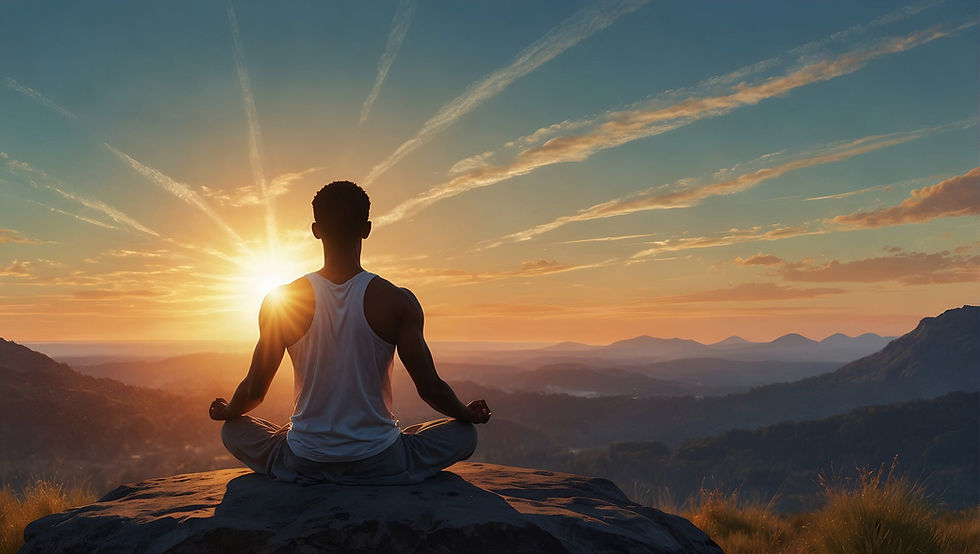
Spiritual energy is a concept that has been discussed in cultures, traditions, and belief systems around the world for thousands of years. While different traditions use different names and explanations, the basic idea remains similar: spiritual energy refers to the invisible force that influences our emotions, thoughts, actions, and overall sense of well-being.
Many people hear terms such as "positive energy," "negative energy," or "high vibration" and wonder what they actually mean. The good news is that spiritual energy does not have to be complicated. Understanding it in simple terms can help you become more aware of yourself and the world around you.
In this guide, we will explain spiritual energy in a clear and practical way, explore how it affects daily life, and discuss simple methods that many people use to maintain a healthy spiritual balance.
What Is Spiritual Energy?
Spiritual energy can be described as the life force that exists within every living being. It is often associated with feelings, emotions, intuition, and personal awareness.
Many ancient traditions have their own names for this energy. In some Eastern philosophies, it is known as "Chi" or "Qi." In Indian spiritual traditions, it is often called "Prana." Despite different names, these concepts generally describe a natural force that connects individuals with themselves and the world around them.
Simply put, spiritual energy is the sense of vitality, inner peace, motivation, and connection that people experience throughout life.
A Simple Example
Think about a time when you entered a room and immediately felt comfortable and relaxed. Now think about a situation where you felt uneasy without knowing exactly why.
Many people describe these experiences as reactions to the energy present in an environment. Whether viewed from a spiritual or psychological perspective, our surroundings and interactions can influence how we feel.
Why Spiritual Energy Matters
Understanding spiritual energy can help people become more aware of their emotions, relationships, and personal growth.
When individuals feel balanced and positive, they often experience:
Better emotional well-being
Increased self-confidence
Improved focus and clarity
Healthier relationships
Greater sense of purpose
On the other hand, feeling overwhelmed, stressed, or emotionally drained may lead people to believe their spiritual energy needs attention.
While spiritual energy is not a replacement for medical or mental health care, many people find that spiritual practices help them manage daily stress and improve their overall quality of life.
Signs of Positive Spiritual Energy
Positive spiritual energy is often associated with feelings of balance, peace, and optimism.
Common signs include:
Emotional Stability
People with positive spiritual energy often handle challenges more calmly and recover from setbacks more effectively.
Healthy Relationships
Positive energy can encourage better communication, empathy, and understanding in personal relationships.
Strong Intuition
Many individuals report feeling more connected to their instincts and decision-making abilities when they are spiritually balanced.
Motivation and Purpose
A healthy spiritual state can help people stay motivated and focused on meaningful goals.
Signs of Negative Spiritual Energy
Everyone experiences difficult emotions at times. However, prolonged negativity may indicate emotional or spiritual imbalance.
Common signs include:
Constant Fatigue
Feeling mentally or emotionally exhausted without a clear reason.
Persistent Negative Thinking
Frequently focusing on problems, fears, or worst-case scenarios.
Lack of Motivation
Feeling disconnected from personal goals and daily responsibilities.
Increased Stress
Experiencing ongoing tension, frustration, or emotional overwhelm.
Recognizing these signs can be the first step toward improving overall well-being.
What Influences Spiritual Energy?
Spiritual energy can be affected by many aspects of life.
Environment
The places where we spend time can influence how we feel. Clean, organized, and peaceful spaces often contribute to positive emotions.
Relationships
Supportive relationships tend to encourage positive energy, while toxic interactions may contribute to emotional stress.
Thoughts and Beliefs
Our mindset plays a major role in shaping our experiences. Positive thinking does not eliminate challenges, but it can influence how we respond to them.
Lifestyle Choices
Sleep, nutrition, physical activity, and stress management can all affect overall energy levels and emotional balance.
How Different Cultures View Spiritual Energy
The concept of spiritual energy appears in many traditions worldwide.
Hindu Traditions
Many Hindu teachings describe Prana as the life force flowing through all living beings. Practices such as yoga and meditation are often used to support balance and awareness.
Chinese Philosophy
Traditional Chinese beliefs often refer to Qi, a vital energy that flows throughout the body and nature.
Indigenous Traditions
Many indigenous cultures view all living things as interconnected through spiritual forces that create balance and harmony.
Modern Spiritual Practices
Today, many people combine mindfulness, meditation, personal reflection, and other practices to nurture their spiritual well-being.
Can Spiritual Energy Be Improved?
Many people believe spiritual energy can be strengthened through intentional habits and self-awareness.
Here are some common approaches.
Meditation and Mindfulness
Meditation is one of the most widely practiced methods for improving spiritual awareness.
Benefits may include:
Reduced stress
Improved focus
Greater emotional balance
Enhanced self-awareness
Even five to ten minutes of daily meditation can help create a sense of calm and clarity.
Spending Time in Nature
Nature has long been associated with spiritual renewal.
Walking in a park, sitting near water, or spending time outdoors can help people disconnect from daily stress and reconnect with themselves.
Practicing Gratitude
Gratitude encourages people to focus on positive aspects of life rather than constantly dwelling on problems.
Keeping a gratitude journal is a simple habit that many individuals find helpful.
Positive Relationships
Building supportive connections can have a significant impact on emotional and spiritual well-being.
Healthy relationships often provide encouragement, understanding, and a sense of belonging.
Learning About Spiritual Practices
Throughout history, people have explored different spiritual traditions and practices to better understand themselves and the world around them.
Some individuals study meditation, prayer, energy healing, or even traditional beliefs involving rituals and magic spells as part of their spiritual journey. These practices vary widely between cultures and personal beliefs.
Others may explore historical traditions involving real magic spells as a way to learn about ancient spiritual customs and symbolic practices that have existed for centuries.
For those interested in understanding the broader history and meaning behind these traditions, learning about different types of spells can provide valuable cultural and historical context.
Common Myths About Spiritual Energy
Myth 1: Spiritual Energy Is Only for Religious People
Spiritual energy is discussed in both religious and non-religious contexts. Many people explore spirituality without belonging to a specific religion.
Myth 2: You Need Special Powers
Most spiritual traditions teach that awareness, reflection, and personal growth are available to everyone.
Myth 3: Spiritual Energy Solves Every Problem
Spiritual practices can support emotional well-being, but they are not substitutes for professional medical, financial, legal, or psychological assistance when needed.
Practical Daily Habits for Better Spiritual Balance
If you want to improve your spiritual well-being, consider these simple habits:
Start the Day Quietly
Spend a few minutes in reflection before checking your phone or social media.
Limit Negative Influences
Reduce exposure to unnecessary negativity whenever possible.
Practice Deep Breathing
Deep breathing can help calm the mind and improve focus.
Stay Connected to Your Values
Make decisions that align with your personal beliefs and principles.
Reflect Regularly
Take time to evaluate your thoughts, emotions, and goals.
The Connection Between Spiritual Energy and Personal Growth
Personal growth often involves becoming more aware of thoughts, habits, and behaviors.
As people develop greater self-awareness, they may:
Improve emotional intelligence
Build stronger relationships
Increase resilience
Gain confidence
Develop a clearer sense of purpose
Many individuals view spiritual energy as an important part of this ongoing process of self-improvement.
Frequently Asked Questions
What is spiritual energy in simple terms?
Spiritual energy is often described as the life force or inner vitality that influences thoughts, emotions, and overall well-being.
Can spiritual energy be measured?
There is no universally accepted scientific method for directly measuring spiritual energy. Different traditions interpret it in different ways.
How can I improve my spiritual energy?
Common practices include meditation, mindfulness, gratitude, spending time in nature, and maintaining healthy relationships.
Is spiritual energy connected to religion?
Not necessarily. Many people explore spiritual energy through personal development and mindfulness without following a specific religion.
How do I know if my spiritual energy is balanced?
People often describe balanced spiritual energy as feeling calm, focused, motivated, and emotionally stable.
Conclusion
Understanding spiritual energy does not require complex theories or advanced knowledge. At its core, spiritual energy is simply a way of describing the connection between our thoughts, emotions, actions, and sense of purpose.
Whether viewed through ancient traditions, modern spirituality, or personal reflection, the concept encourages greater awareness of how we live and interact with the world around us.
By practicing mindfulness, maintaining positive relationships, spending time in nature, and focusing on personal growth, many people find they can cultivate a greater sense of balance and well-being. Spiritual energy may be invisible, but its influence can often be felt through the choices we make, the relationships we build, and the peace we create within ourselves.


