What Are Spells? Meaning, Types, History, and How They Work


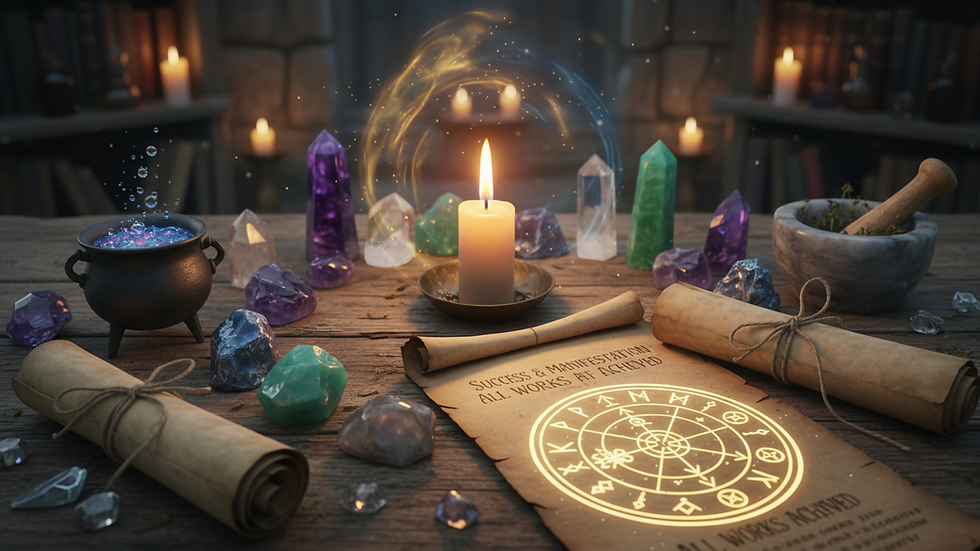
Spells are spiritual or magical rituals performed with focused intention to create change in a person’s life, emotions, energy, or circumstances. A spell may involve spoken words, candles, herbs, symbols, prayers, crystals, or other ritual tools believed to channel spiritual energy toward a desired outcome.
For centuries, people across different cultures have used spells for love, protection, healing, luck, success, cleansing negative energy, and spiritual guidance. Today, many people still turn to spellwork when they want emotional clarity, stronger relationships, spiritual protection, or help overcoming obstacles.
A spell is not simply about saying magical words. Most spiritual practitioners believe that successful spell casting combines intention, belief, energy, ritual, timing, and spiritual connection.
The Meaning of Spells
The word “spell” traditionally refers to a magical formula, ritual, or spoken incantation designed to influence energy or events. In spiritual traditions, spells are often viewed as a way to focus human intention and direct spiritual forces toward a specific goal.
Some people view spells as part of ancient mystical practices, while others see them as forms of prayer, manifestation, meditation, or energy work. Different traditions have different beliefs about how spells operate, but most systems emphasize concentration, symbolism, and emotional intent.
The History of Spells
Spells have existed for thousands of years. Ancient civilizations including Egypt, Greece, Rome, Africa, India, and Mesopotamia all practiced forms of ritual magic and spiritual ceremonies.
In ancient Egypt, priests and spiritual healers used protective rituals and written charms. In medieval Europe, folk healers and mystics used herbs, candles, and spoken incantations for healing and protection. Traditional African spiritual systems often used ancestral rituals, spiritual guidance, and ceremonial practices to influence energy and life events.
Throughout history, spells have appeared in religious traditions, folklore, spiritual systems, and mystical teachings around the world.
How Do Spells Work?
Many spiritual practitioners believe spells work by directing intention and energy toward a desired result. The process often involves:
Setting a clear intention
Raising spiritual or emotional energy
Using symbolic ritual tools
Repeating focused affirmations or incantations
Aligning thoughts, emotions, and actions
Some believe spells influence spiritual energies surrounding a situation, while others view spellwork as a psychological or meditative process that helps strengthen confidence, focus, and emotional alignment.
The effectiveness of a spell is often believed to depend on factors such as belief, emotional intensity, spiritual timing, ritual experience, and personal energy.
Different Types of Spells
There are many different categories of spells used for various purposes.
Love Spells
Love spells are among the most popular forms of spellwork. These rituals are often performed to attract love, improve romance, strengthen emotional bonds, or restore harmony in relationships.
Some people seek love spells to:
Attract a soulmate
Reconcile with an ex-partner
Increase passion and attraction
Improve emotional communication
Remove relationship negativity
Protection Spells
Protection spells are designed to shield individuals from negative energy, spiritual attacks, jealousy, curses, or emotional harm. These rituals often involve candles, salt, herbs, protective symbols, or spiritual prayers.
Protection spellwork may focus on:
Removing negativity
Spiritual cleansing
Protection from enemies
Energy shielding
Home and family protection
Money and Success Spells
Money spells are performed to attract prosperity, financial opportunities, career success, or business growth. Practitioners often combine intention with manifestation rituals and symbolic objects linked to abundance.
These spells may focus on:
Career advancement
Business growth
Financial stability
Luck and opportunities
Removing financial blockages
Healing Spells
Healing spells are intended to support emotional, spiritual, or energetic well-being. Many practitioners use calming rituals, herbs, meditation, prayer, and candle work to encourage peace and recovery.
Healing spellwork is commonly associated with:
Emotional healing
Stress relief
Spiritual cleansing
Inner peace
Energy balancing
Black Magic and Dark Spells
Dark spells or black magic are often associated with aggressive or controlling intentions. Different spiritual traditions have varying opinions about these practices. Some practitioners avoid harmful spellwork entirely, while others believe spiritual ethics and intention determine whether magic becomes harmful.
Because beliefs about black magic differ widely, many spiritual advisors encourage caution, ethical consideration, and emotional responsibility before engaging in intense ritual practices.
White Magic Spells
White magic is generally associated with positive intentions such as healing, protection, peace, love, blessings, and spiritual growth. These spells are often performed with the goal of helping others without causing harm.
White magic rituals may include:
Candle rituals
Prayer work
Meditation
Crystal healing
Spiritual cleansing
Blessing ceremonies
Common Tools Used in Spell Casting
Spell practitioners may use different ritual tools depending on their spiritual tradition. Common items include:
Candles
Crystals
Herbs
Oils
Incense
Sigils and symbols
Tarot cards
Moon phases
Written affirmations
Personal objects
These tools are often believed to help focus energy and strengthen ritual intention.
Are Spells Real?
Beliefs about spells vary from person to person. Some individuals believe spells influence spiritual energies and life circumstances directly. Others see spellwork as symbolic psychology, manifestation, meditation, or emotional empowerment.
Spiritual experiences are deeply personal, and interpretations differ across cultures and belief systems. Some people report meaningful emotional or spiritual changes after ritual work, while skeptics may interpret the experience differently.
Can Anyone Cast a Spell?
Many traditions believe anyone can learn basic spellwork through study, practice, discipline, and spiritual focus. However, experienced practitioners often emphasize the importance of:
Clear intentions
Emotional control
Spiritual ethics
Patience
Respect for traditions
Beginners usually start with simple rituals involving meditation, candles, prayers, or positive affirmations.
The Importance of Intention in Spellwork
Most spiritual systems teach that intention is the foundation of successful spell casting. The emotional energy and focus behind a ritual are often considered more important than expensive tools or complicated ceremonies.
Positive intention, mental clarity, and emotional alignment are commonly viewed as essential parts of effective spiritual practice.
Final Thoughts
Spells have been part of human spiritual traditions for thousands of years. Whether viewed as mystical rituals, manifestation practices, spiritual ceremonies, or symbolic self-empowerment, spells continue to attract people seeking guidance, healing, love, protection, and transformation.
Understanding what spells are begins with understanding the role of intention, belief, ritual, and spiritual symbolism in human culture. Different traditions interpret spellwork differently, but the core idea remains the same: using focused energy and spiritual practice to seek change and direction in life.