Spiritual Healing Methods Explained: Ancient Practices for Modern Well-Being


In today's fast-paced world, many people are searching for ways to restore balance, reduce stress, and improve their overall well-being. While modern medicine plays an important role in maintaining physical health, spiritual healing has become increasingly popular among those seeking emotional peace, personal growth, and inner harmony.
Spiritual healing refers to a range of practices designed to support a person's emotional, mental, and spiritual well-being. These methods have been used by different cultures and traditions for centuries and continue to attract interest in modern society.
This guide explains the most common spiritual healing methods, how they work, and why many people incorporate them into their personal wellness routines.
What Is Spiritual Healing?
Spiritual healing is a holistic approach that focuses on restoring balance within an individual. Rather than concentrating solely on physical symptoms, spiritual healing addresses emotional, mental, and energetic aspects of well-being.
The goal is to create a sense of harmony that allows individuals to feel more connected to themselves, others, and their surroundings.
Many spiritual healing traditions believe that emotional stress, negative thoughts, and unresolved experiences can affect a person's overall energy. Healing practices are therefore used to encourage relaxation, self-awareness, and personal transformation.
Why Spiritual Healing Matters
Modern life often exposes people to constant stress, uncertainty, and emotional pressure. Spiritual healing methods can provide opportunities for reflection, mindfulness, and emotional renewal.
Potential benefits include:
Reduced stress and anxiety
Greater emotional balance
Improved self-awareness
Enhanced sense of purpose
Better focus and clarity
Increased inner peace
Although spiritual healing should not replace professional medical care, many individuals find that it complements other wellness practices.
Meditation as a Spiritual Healing Method
Understanding Meditation
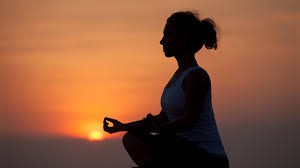
Meditation is one of the most widely practiced spiritual healing techniques. It involves focusing attention and calming the mind through breathing exercises, guided visualization, or mindfulness practices.
Meditation helps individuals become more aware of their thoughts and emotions without becoming overwhelmed by them.
Benefits of Meditation
Regular meditation may help people:
Improve concentration
Manage stress
Develop emotional resilience
Enhance self-awareness
Promote relaxation
Many spiritual traditions view meditation as a pathway to deeper understanding and personal growth.
Prayer and Spiritual Reflection
Prayer has been an important spiritual practice across cultures for thousands of years. For many individuals, prayer provides comfort, guidance, and a sense of connection to a higher power.
Spiritual reflection often accompanies prayer and encourages individuals to examine their experiences, values, and personal goals.
Whether practiced individually or within a community, prayer can offer emotional support during difficult times and help strengthen a person's sense of hope.
Energy Healing Practices
What Is Energy Healing?
Energy healing is based on the belief that the body contains a flow of energy that influences overall well-being. Practitioners use various techniques intended to support balance and harmony within this energy system.
Different forms of energy healing exist around the world, including Reiki, therapeutic touch, and traditional healing practices.
How Energy Healing Is Used
Energy healing sessions often involve:
Deep relaxation
Focused breathing
Gentle hand movements
Guided visualization
Many participants report feeling calmer and more centered after energy healing sessions.
Mindfulness and Present-Moment Awareness
Mindfulness is the practice of paying attention to the present moment without judgment. It has become one of the most recognized spiritual wellness techniques in modern society.
Mindfulness can be practiced during everyday activities such as:
Walking
Eating
Breathing exercises
Journaling
Listening
By remaining present, individuals may become more aware of their emotions and reduce unnecessary stress caused by dwelling on the past or worrying about the future.
Sound Healing and Vibrational Practices
Sound healing uses music, vibrations, and specific frequencies to create a calming environment.
Examples include:
Singing Bowls
Metal or crystal singing bowls produce resonant tones that many people find relaxing.
Chanting
Many spiritual traditions use chanting to encourage focus, mindfulness, and emotional balance.
Music Therapy
Calming music can support relaxation and help individuals manage stress.
While scientific understanding of sound healing continues to develop, many people incorporate these practices into their wellness routines because of their calming effects.
Nature-Based Spiritual Healing
Nature has long been associated with healing and restoration. Spending time outdoors can provide opportunities to disconnect from daily pressures and reconnect with the natural world.
Common nature-based spiritual practices include:
Forest walks
Gardening
Watching sunrises and sunsets
Outdoor meditation
Nature journaling
Research consistently shows that spending time in nature can positively influence mood and reduce stress levels.
Visualization Techniques
Visualization involves creating positive mental images to support relaxation and personal goals.
Many spiritual traditions use visualization to:
Encourage confidence
Promote emotional healing
Reduce stress
Strengthen focus
Guided visualization often combines deep breathing with mental imagery designed to create a sense of peace and well-being.
Spiritual Rituals and Personal Practices
Throughout history, people have used rituals to mark important events, express gratitude, and support personal transformation.
Examples include:
Lighting candles
Creating sacred spaces
Gratitude practices
Personal ceremonies
Reflection exercises
Some individuals also explore traditional spiritual practices such as spell casting as part of their cultural or personal spiritual beliefs. These practices vary significantly across traditions and are often used as symbolic tools for intention setting and personal reflection.
Understanding Traditional Spiritual Beliefs
Many cultures around the world have developed unique spiritual systems and healing traditions. These traditions often include prayers, rituals, symbols, and other practices designed to promote well-being.
Historical texts and folklore frequently reference various forms of spiritual work, including practices commonly described as black magic spells. Such concepts are often studied from cultural, historical, and anthropological perspectives to better understand how different societies approached spirituality and healing.
Understanding these traditions can provide valuable insight into the diversity of human spiritual experiences.
Abundance and Positive Mindset Practices
A positive mindset is an important aspect of many spiritual healing approaches. Gratitude exercises, affirmations, and goal-setting techniques are commonly used to encourage personal growth.
Some traditions also incorporate symbolic abundance rituals and practices sometimes referred to as money spells. These practices are generally viewed as intention-focused rituals that emphasize prosperity, motivation, and positive thinking.
Regardless of the specific method used, the underlying objective is often to cultivate optimism and encourage constructive action.
Choosing the Right Spiritual Healing Method
There is no single spiritual healing practice that works for everyone. Individual preferences, cultural backgrounds, and personal beliefs often influence which methods feel most meaningful.
When exploring spiritual healing:
Start Slowly
Begin with simple practices such as meditation, mindfulness, or gratitude journaling.
Stay Open-Minded
Different methods may resonate differently with each individual.
Focus on Consistency
Regular practice often provides greater benefits than occasional participation.
Maintain Balance
Spiritual practices should complement, not replace, professional healthcare and evidence-based wellness approaches.
Frequently Asked Questions
What is the purpose of spiritual healing?
Spiritual healing aims to support emotional, mental, and spiritual well-being by encouraging balance, self-awareness, and inner peace.
Is spiritual healing connected to religion?
Not always. Some spiritual healing practices are connected to religious traditions, while others are secular and focus on mindfulness, meditation, or personal growth.
Can spiritual healing reduce stress?
Many people report that practices such as meditation, mindfulness, prayer, and nature-based activities help them manage stress and improve emotional balance.
How often should spiritual healing practices be used?
Frequency depends on individual preferences. Many people benefit from daily or weekly practices that fit naturally into their routines.
Is spiritual healing a substitute for medical treatment?
No. Spiritual healing should be viewed as a complementary practice and not a replacement for professional medical advice or treatment.
Conclusion
Spiritual healing methods continue to play an important role in the lives of many people seeking emotional balance, personal growth, and inner peace. Practices such as meditation, mindfulness, prayer, energy healing, visualization, and nature-based reflection offer valuable opportunities for self-discovery and relaxation.
By exploring different approaches and finding practices that align with personal beliefs and goals, individuals can create meaningful wellness routines that support both spiritual and emotional well-being. The journey toward healing is deeply personal, and spiritual practices can serve as valuable tools for cultivating greater awareness, resilience, and harmony in everyday life.